THE STÄRKEN EDGE
Category: Homeowner Guides Reading
Time: 10–12 minutes
Published: August2026
AAC vs CHB: Which Wall System Is Right for Your Home? A Practical Guide for Filipino Homeowners
Choosing between Autoclaved Aerated Concrete (AAC) and Concrete Hollow Blocks (CHB) is one of the earliest decisions you’ll make when building a home. This guide explains how each wall
system works, what sets them apart, and the questions you should ask before deciding which one best fits your project.
Editor’s Note
At The STÄRKEN Edge, we believe informed homeowners make better building decisions.
This article isn’t about declaring a “winner.” Instead, it’s about helping you understand two of the most common wall systems used in the Philippines so you can have more productive conversations with your architect, engineer, or contractor.

Choosing Your Wall System Starts with the Right Questions
You’re finally reviewing your house plans.
Your architect looks up and asks,
“Have you decided what wall system you’d like to use?”
You pause.
You expected questions about paint colors, tiles, or kitchen layouts—but not the walls themselves.
Until now, you assumed every house was simply built with concrete hollow blocks.
Then someone mentions AAC blocks.
Suddenly, you’re searching online.
AAC vs CHB.
Which is stronger?
Which lasts longer?
Which keeps a house cooler?
Which offers better long-term value?
If these questions sound familiar, you’re not alone.
For many homeowners, this is one of the most important construction decisions they’ll make. While both AAC and CHB are widely used wall systems, they differ in how they’re manufactured, installed,
and how they contribute to a home’s overall performance.
The good news?
You don’t have to choose based on habit or hearsay.
Let’s look at what really matters.
Before Comparing AAC and CHB, Ask Yourself These Questions
The “best” wall system depends on what you’re trying to achieve.
Ask yourself:
• Do I want my home to stay more comfortable during hot weather?
• Is faster construction important for my project?
• Am I thinking about long-term maintenance—not just upfront cost?
• What wall system does my architect or engineer recommend for my design?
• What experience does my contractor have with each system?
These questions will help you evaluate your options beyond the initial price tag.
 The STÄRKEN Insight
The best wall system isn’t the one everyone else uses.
It’s the one that best supports your home’s design, your family’s needs, and your long-term goals.
Meet the Two Wall Systems
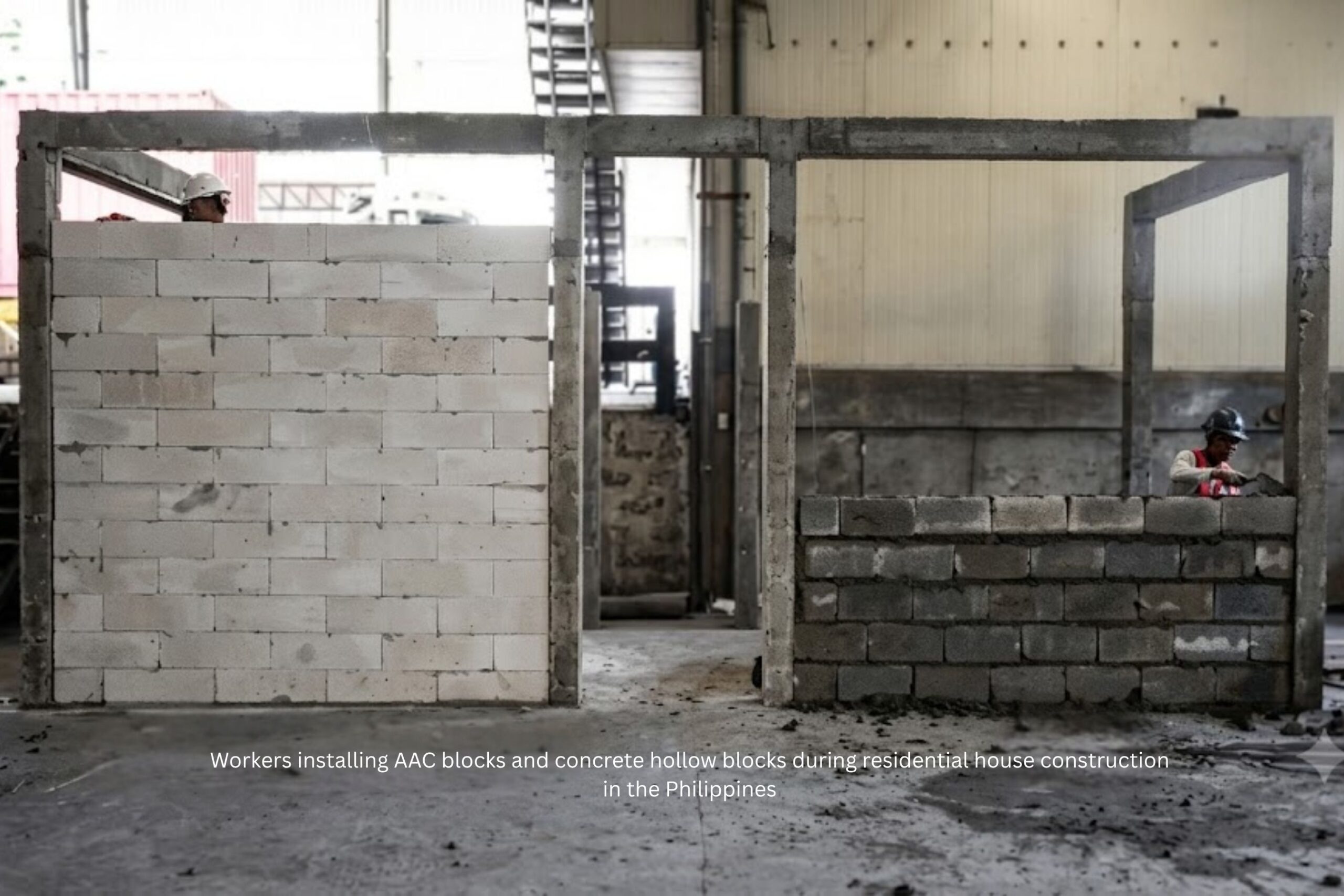
What is CHB?
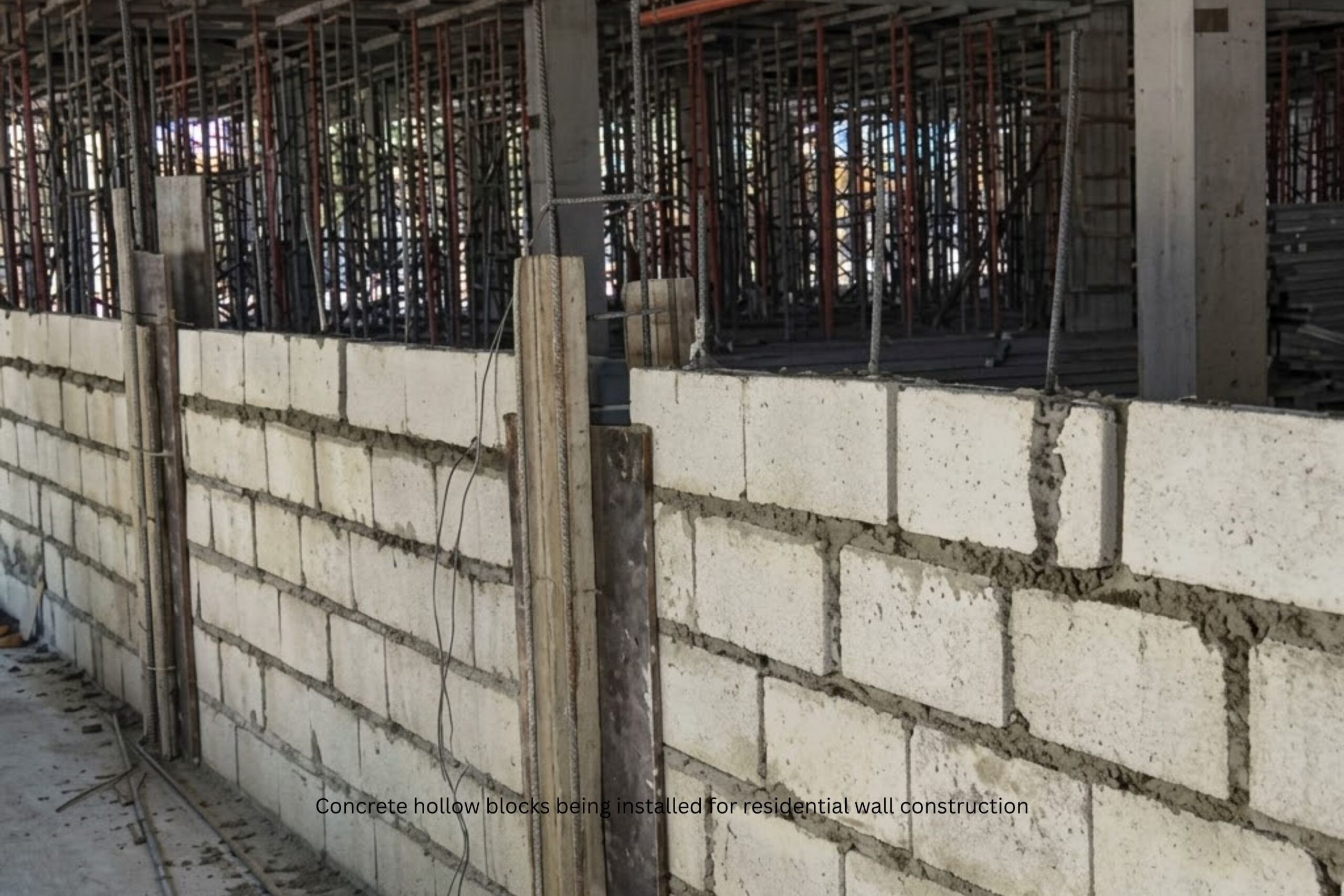
Concrete Hollow Blocks (CHB) have been used in Philippine construction for decades. They are widely available and familiar to many builders and contractors.
A completed CHB wall typically requires mortar joints, plastering, and proper reinforcement where specified by the structural design.
Like any masonry system, the quality of the finished wall depends on material quality, workmanship, curing, reinforcement, and compliance with the project plans.
What is AAC?
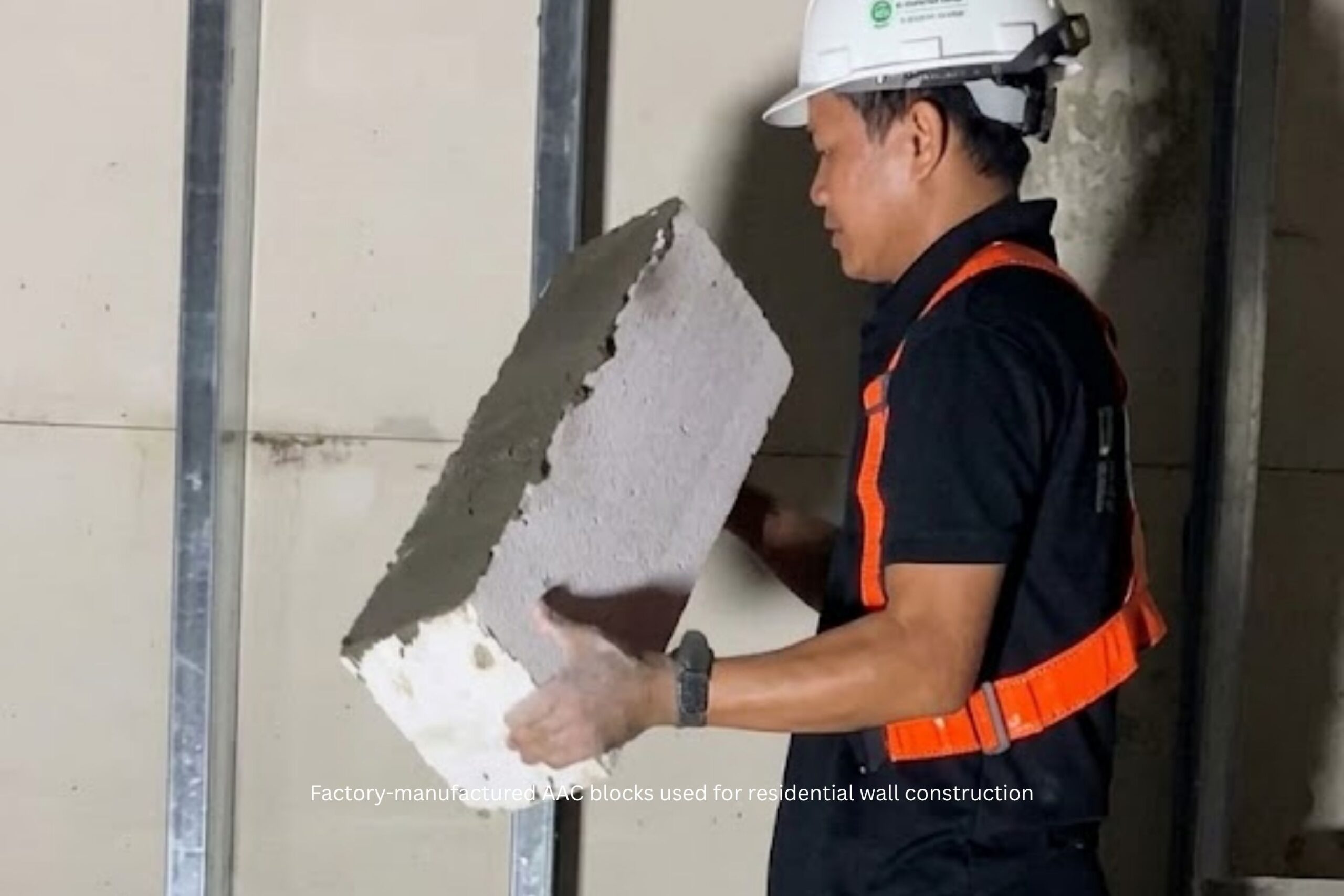
Autoclaved Aerated Concrete (AAC) is a factory-manufactured building material made from cement, lime, silica sand, water, and a small amount of aluminum powder that creates millions of tiny air pockets during production.
After curing in a high-pressure steam process called autoclaving, AAC blocks become lightweight, dimensionally consistent, and easy to work with.
Today, AAC is used in residential, commercial, industrial, and institutional projects around the world.
AAC vs CHB: Side-by-Side Comparison
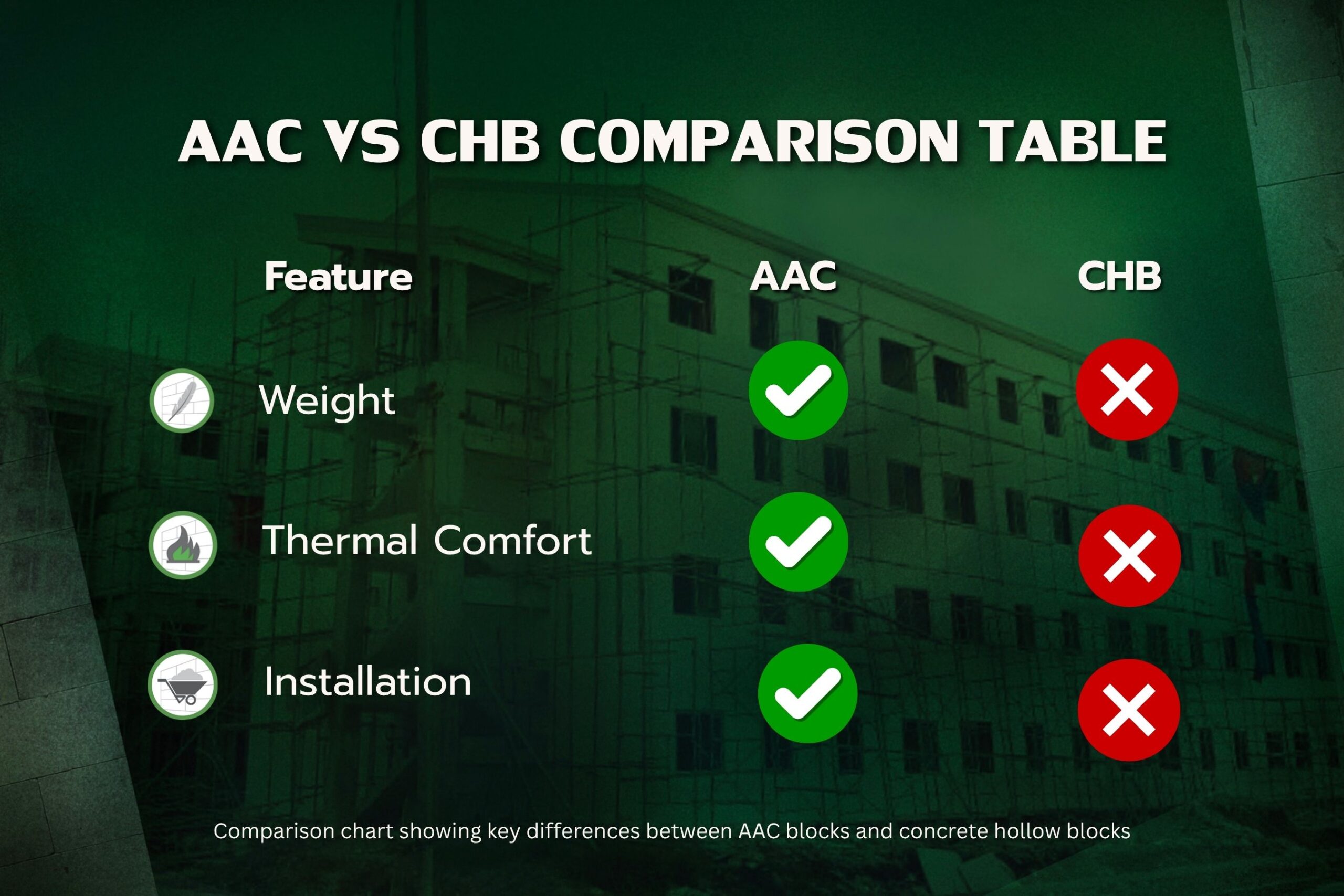
| Feature | AAC | CHB | Why It Matters |
| Weight | Lightweight | Heavier | Wall weight can influence structural design and construction handling. |
| Manufacturing | Factory-produced under controlled conditions | Quality varies depending on manufacturing source | Manufacturing consistency can affect dimensional accuracy and overall quality. |
| Dimensional Accuracy | Typically very consistent | Can vary | More consistent dimensions may contribute to easier alignment and finishing. |
| Installation | Uses thin-bed adhesive and larger blocks | Uses mortar with smaller units | Installation methods differ and should follow manufacturer recommendations. |
| Thermal Performance | Cellular structure can reduce heat transfer | Thermal performance differs based on block properties and wall assembly | Thermal characteristics contribute to indoor comfort alongside roof, windows, and ventilation. |
| Fire Performance | Non-combustible material | Non-combustible material | Fire performance depends on the complete wall assembly and applicable testing. |
| Sound Performance | Acoustic performance varies with thickness and design | Acoustic performance also varies with wall design | Noise reduction depends on the complete wall system, not just the block itself. |
| Finishing | Smooth, consistent surfaces may reduce finishing adjustments | Surface variation may require additional leveling | Finish quality depends on workmanship and project requirements. |
Understanding the Differences
1. Weight: Why It Matters Beyond Construction
One of the biggest differences between AAC and CHB is weight.
AAC is significantly lighter because of its cellular structure.
A lighter wall system may reduce the dead load of a building when incorporated into a properly engineered structural design. It can also make blocks easier to handle during construction.
However, the overall structural performance of a building always depends on engineering design—not on one material alone.
2. Thermal Comfort: Can Wall Materials Affect Indoor Temperature?

In a tropical country like the Philippines, indoor comfort is an important consideration.
AAC’s air-filled structure slows the transfer of heat compared with many conventional masonry materials, which can contribute to a more comfortable indoor environment.
However, wall materials are only one part of the equation. Roof insulation, window placement, ventilation, shading, and building orientation all influence how warm or cool a home feels.
3. Installation and Construction Efficiency

AAC blocks are generally larger than standard CHBs and are installed using a thin-bed adhesive designed for the system.
CHB walls are commonly built with mortar joints and plastered after installation.
Construction speed depends on many factors, including crew experience, project complexity, scheduling, and adherence to recommended installation methods.
 Expert Tip
Whichever wall system you choose, proper installation is just as important as the material itself. Even high-quality materials can underperform if they aren’t installed according to the manufacturer’s recommendations and the project’s design.
4. Surface Finish
Factory-produced AAC blocks are typically manufactured with tight dimensional tolerances.
This consistency may reduce the amount of adjustment needed during installation and finishing.
CHB quality can vary depending on the supplier and manufacturing process, making quality control an important consideration.
5. Long-Term Value
The lowest purchase price isn’t always the lowest lifetime cost.
When evaluating wall systems, consider questions like:
• How much maintenance might be required over time?
• Will the material support the level of comfort you want?
• Does it align with your construction schedule?
• Is the system supported by technical guidance and proper installation practices?
Looking beyond the initial material cost often leads to better long-term decisions.
Which Wall System Fits Your Project?

Every project is different.
Instead of asking which wall system is “better,” consider which one aligns with your project’s priorities.
Which Wall System Fits Your Project?
• You’re interested in a modern wall system with factory-manufactured consistency.
• Indoor comfort is an important consideration.
• Construction efficiency is a priority.
• Your architect or engineer specifies AAC as part of the design.
CHB may be a good fit if...
• Your project has already been designed around CHB construction.
• Your contractor has extensive experience with CHB systems.
• It aligns with your project’s budget, design, and construction approach.
Construction Myth
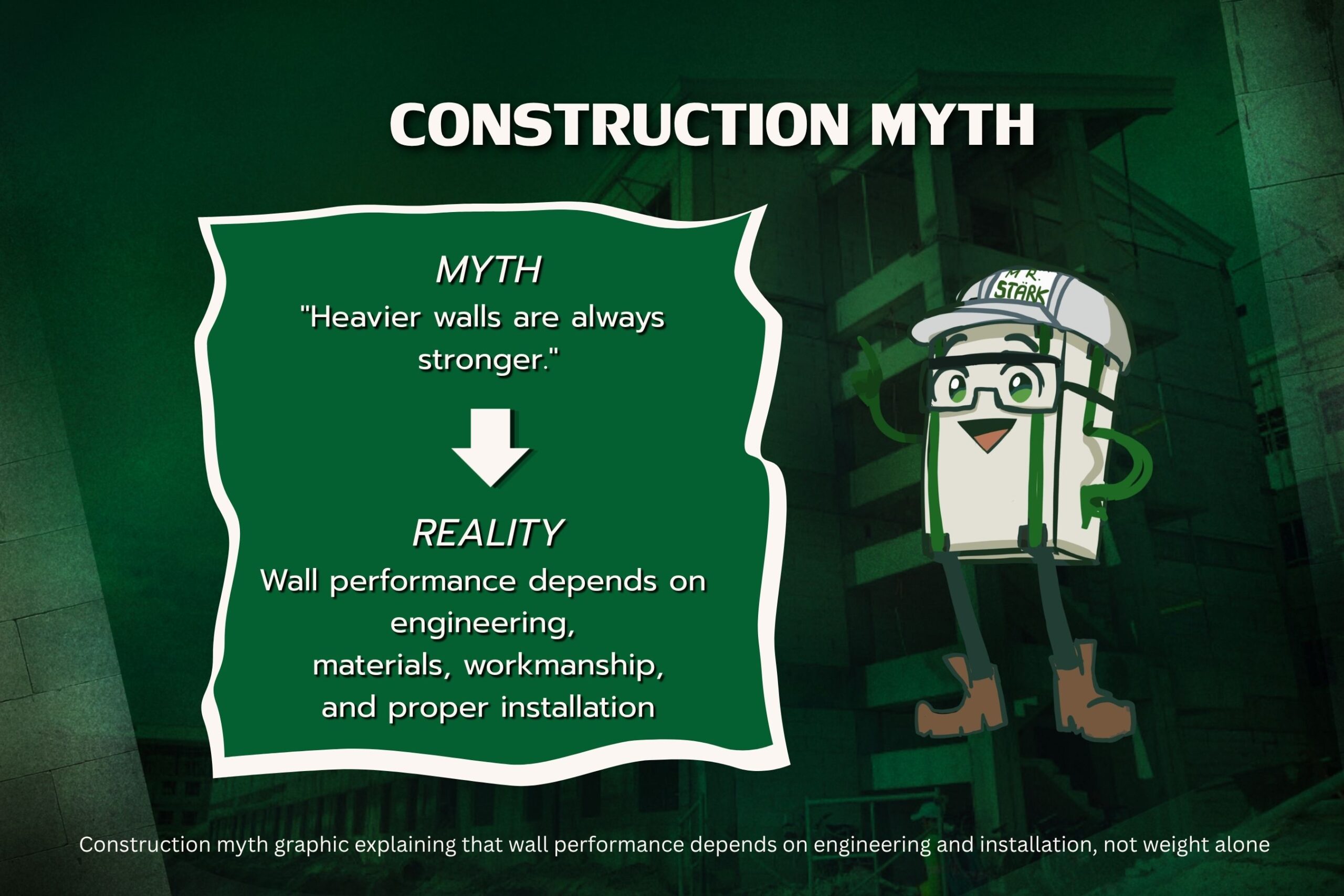
Myth
"Heavier walls are always stronger."
Reality
Weight alone does not determine how a wall system performs.
Strength, durability, and overall building performance depend on engineering design, material properties, workmanship, reinforcement where required, and compliance with applicable codes and specifications.
Frequently Asked Questions
Is AAC stronger than CHB?
The answer depends on what you mean by “stronger.”
AAC and CHB have different material properties and are used within engineered wall systems. Structural performance depends on the complete building design, not on a single building material.
Is AAC more expensive than CHB?
The material cost may differ, but it’s important to consider the total project cost—not just the cost per block.
Installation methods, finishing requirements, labor, construction schedule, and long-term performance all contribute to the overall value of a wall system.
Does AAC keep homes cooler?
AAC’s cellular structure can help reduce heat transfer, contributing to improved indoor comfort. However, overall home temperature also depends on factors such as roofing, insulation, windows, ventilation, and building orientation.
Can I hang cabinets or shelves on AAC walls?
Yes, provided that the appropriate anchors or fixing systems recommended for AAC are used and the load is within the manufacturer’s guidelines.
Can AAC be used for exterior walls?
Yes. AAC is commonly used for exterior wall applications in many projects when designed and installed as part of an appropriate wall system and finished according to the manufacturer’s recommendations.
Which wall system lasts longer?
Both AAC and CHB can provide long service life when properly designed, installed, and maintained. Material quality, workmanship, and ongoing maintenance all influence long-term performance.
Key Takeaways
✔ There is no single wall system that’s right for every project.
✔ Compare wall systems based on your home’s priorities—not just initial cost.
✔ Proper engineering and installation are just as important as material selection.
✔ Discuss wall system options early with your architect or engineer.
✔ A well-informed decision today can contribute to a more comfortable and durable home tomorrow.
Related Reading
Continue learning with these articles from The STARKEN Edge:
• How to Choose the Best Wall Material for Your Home in the Philippines
• What Are AAC Blocks? A Beginner’s Guide
• Why Some Homes Stay Cooler Than Others
• Understanding Fire-Resistant Wall Systems
• How Wall Materials Affect Earthquake Performance
Final Thoughts
Choosing between AAC and CHB isn’t about following trends or choosing what everyone else uses.
It’s about understanding how each wall system works and selecting the one that best aligns with your home’s design, your budget, and your long-term goals.
Every successful project starts with informed decisions.
By asking the right questions and working with qualified professionals, you’ll be better equipped to choose a wall system that supports the kind of home you want to build
Learn More About Modern Wall Systems
If you’d like to explore AAC further, STARKEN’s technical team can provide product information, installation guidance, and support for your project.
Whether you’re a homeowner, architect, engineer, or contractor, we’re here to help you make informed building decisions.
Take the next step today:
📥 Download our free AAC Product Brochure for detailed specifications.
📞 Request a Quote tailored to your specific project needs.
💬 Chat with our team to get your questions answered by experts.