Philippines Wall Material Guide: How to Choose the Best Walls for Your Home
Category: Homeowner Guides
Reading Time: 8–10 minutes
Published: July 2026
How to Choose the Best Wall Material for Your Home in the Philippines
Choosing the right wall material is about more than construction—it’s about creating a home that’s comfortable, durable, and built to last. In this guide, we’ll walk you through the key factors every homeowner should consider before making one of the most important decisions in the building process.
Editor’s Note
At The STÄRKEN Edge, we believe building a better home starts with making informed decisions. This guide is part of our mission to help homeowners, architects, engineers, and builders understand construction concepts in a simple, practical, and unbiased way.
Whether you’re planning your dream home or simply exploring your options, we hope this article gives you the confidence to ask better questions and make smarter decisions.
Your Dream Home Begins with Decisions You Can’t See
Imagine this.
You’ve finally moved into your dream home.
The walls are freshly painted. The furniture is in place. Friends and family come over to celebrate this exciting new chapter in your life.
A few months later, summer arrives.
The afternoons feel unusually hot inside your home. During the rainy season, you begin noticing small cracks on one of the walls. Outside noise seems louder than you expected, making it harder to enjoy quiet evenings with your family.
Naturally, you start asking yourself:
“Could these problems have been prevented?”
The answer isn’t always simple, but one thing is certain:
Many homeowners spend weeks choosing floor tiles, kitchen countertops, paint colors, and light fixtures. Yet one of the most important decisions is often made with far less attention— the material used to build the walls of the home.
Your walls do much more than separate rooms.
They help shape how your home feels every day. They influence indoor comfort, maintenance requirements, construction efficiency, and long-term performance.
Choosing the right wall material won’t guarantee a perfect home, but it can help create one that’s more comfortable, resilient, and easier to maintain for years to come. Whether you are comparing affordable wall materials in the Philippines or looking for eco-friendly wall systems, the principles remain the same.
So before construction begins, it’s worth asking one important question:
What should you look for when choosing a wall material for your home?
Let’s explore the answer together.
Why Your Wall Material Matters More Than You Think
Walls are easy to overlook.
Once they’re painted and decorated, they blend into the background of everyday life.
But behind every finished wall is a building material that quietly affects how your home performs.
The wall system you choose can influence:
- 🏡 Everyday comfort
- 🌡️ Heat transfer and indoor temperature
- 🔇 Noise reduction between spaces
- 🔥 Fire performance
- 🌍 Long-term durability
- ⚡ Building performance during earthquakes*
- 💰 Construction efficiency and maintenance
(A building’s earthquake performance depends on many factors, including structural design. Wall materials are only one part of an overall engineered system.)*
In a country like the Philippines—where homes experience tropical heat, heavy rainfall, and seismic activity—these considerations become even more important.
I am text block. Click edit button to change this text. Lorem ipsum dolor sit amet, consectetur adipiscing elit. Ut elit tellus, luctus nec ullamcorper mattis, pulvinar dapibus leo.
💡 The STÄRKEN Insight
Many homeowners compare wall materials based only on the purchase price.
A better question is:
“How will this wall perform 10, 20, or even 30 years from now?”
Looking beyond the upfront cost often leads to better long-term decisions.
Common Wall Materials Used in the Philippines
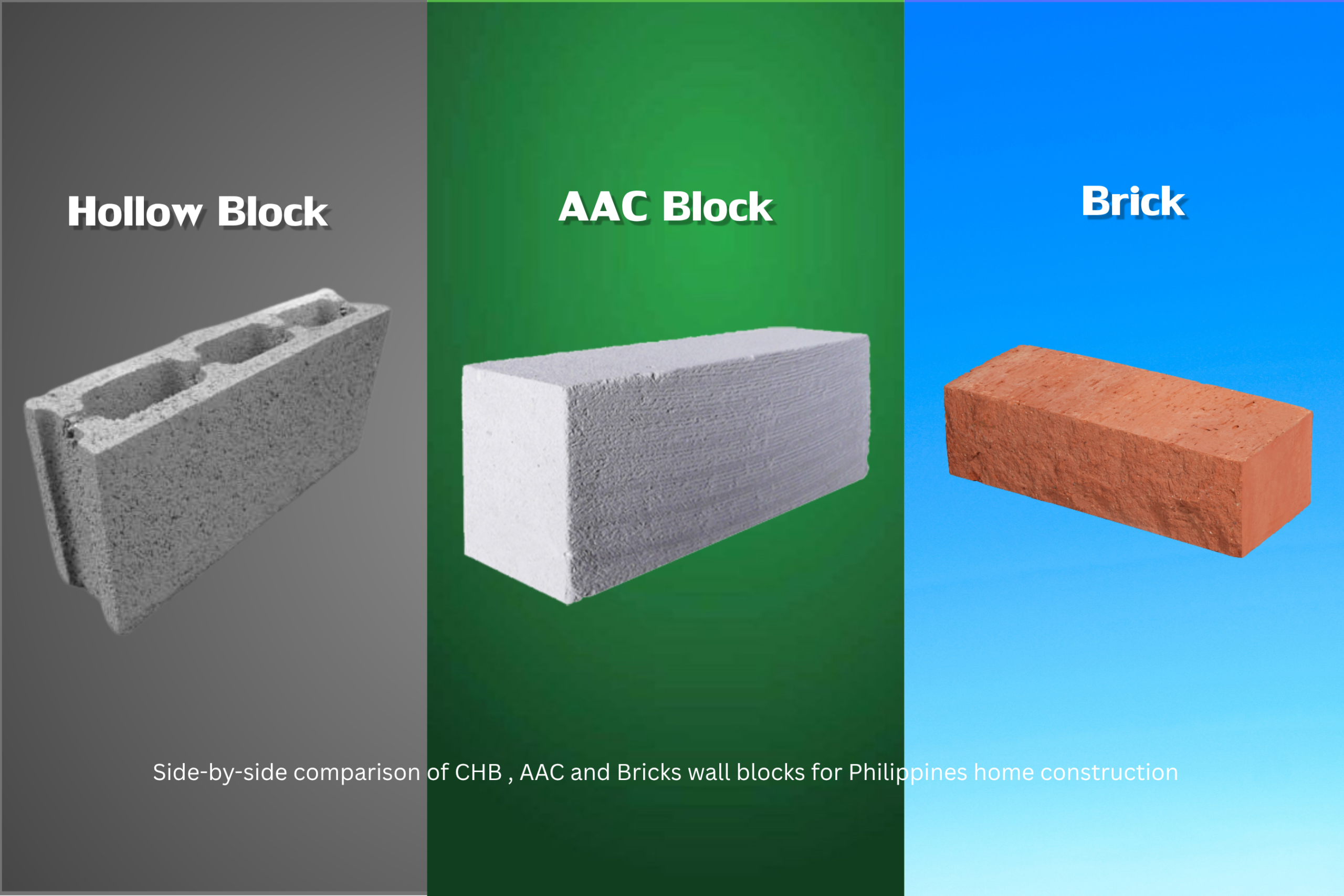
Before choosing a wall system, it helps to understand the options commonly used in residential construction. Each material has its own advantages, considerations, and ideal applications. Rather than asking which one is universally “best,” think about which one best fits your home’s design, budget, location, and long-term goals.
Concrete Hollow Blocks (CHB)
Concrete Hollow Blocks remain one of the most widely used wall materials in the Philippines. They are familiar to many contractors, readily available, and suitable for a wide range of residential projects. Like any construction material, the quality of CHB walls depends on several factors, including the quality of the blocks, proper installation, reinforcement, and finishing.
Clay Bricks
Clay bricks have been used around the world for centuries and are valued for their durability and timeless appearance. Although they are less common in modern Philippine residential construction, they continue to be used in selected architectural designs and decorative applications.
Precast Concrete Systems
Precast concrete walls are manufactured in controlled factory environments before being transported to the construction site. These systems are commonly used in larger commercial, industrial, and infrastructure projects where speed and consistency are important.
Autoclaved Aerated Concrete (AAC)
Autoclaved Aerated Concrete (AAC) is a lightweight precast building material manufactured using cement, lime, silica sand, water, and a controlled curing process. Its unique cellular structure contributes to characteristics such as reduced weight, thermal performance, and dimensional accuracy, making it an increasingly popular choice for modern construction projects—especially for homeowners looking for durable home walls in the Philippines.
👷 Expert Tip
When comparing wall materials, avoid making decisions based on just one factor, such as price or popularity. Instead, discuss your priorities with your architect or engineer. Consider your home’s location, design, climate, maintenance expectations, and long-term goals before selecting a wall system.
What Every Homeowner Should Consider Before Choosing a Wall Material
Choosing a wall material isn’t about finding a perfect product. It’s about finding the right balance between performance, comfort, durability, and value for your specific project. Here are the key factors worth considering before making your decision.
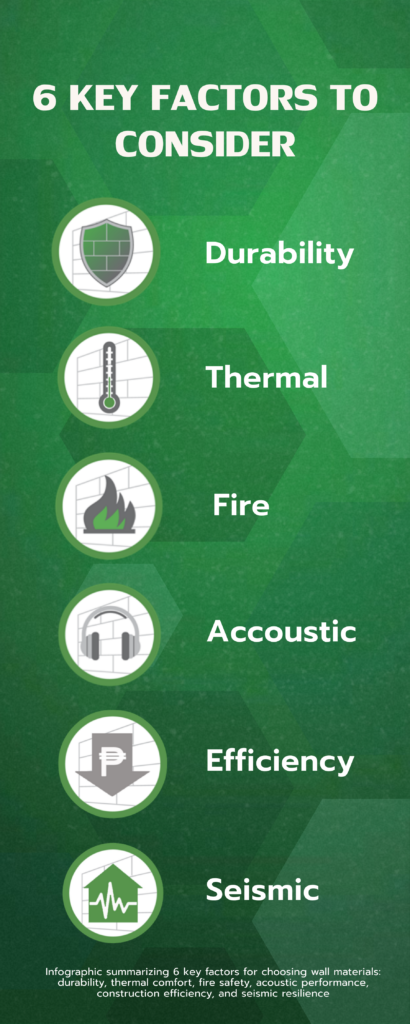
When people build a home, they often imagine the day they move in. Few stop to think about how their home will perform 10 or 20 years later. Your walls are one of the few parts of your home that are expected to last for decades. Unlike furniture or paint, replacing them isn’t a simple weekend project. That’s why durability matters. A durable wall system should be able to withstand daily use while helping minimize future repairs and maintenance.
2. Why Do Some Homes Feel Cooler Than Others?
Have you ever walked into two different houses on the same hot afternoon and wondered why one feels noticeably cooler? It’s not always because of the air conditioner. Your wall material can influence how much heat enters your home. Some materials transfer heat more quickly, while others help reduce heat transfer, contributing to a more comfortable indoor environment. In the Philippines, where warm weather is part of everyday life, choosing materials that support indoor comfort can make a noticeable difference.
3. Is Your Home Ready for the Unexpected?
The Philippines is one of the most disaster-prone countries in the world. Earthquakes, typhoons, and fires are all important considerations when planning a home. Although no wall material alone can make a building disaster-proof, the materials used throughout a home contribute to its overall performance. For earthquakes, factors such as structural design, workmanship, and the weight of non-structural components all work together. This is why it’s important to involve licensed architects and structural engineers throughout the design process.
4. Building with Fire Safety in Mind
No homeowner likes to imagine a fire. But planning for emergencies is part of building responsibly. Different construction materials respond differently when exposed to high temperatures. Understanding the fire performance of wall materials can help homeowners make informed choices that align with their safety priorities and local building requirements.
5. Can the Right Walls Make Your Home Quieter?
Home is where we rest, work, and spend time with the people who matter most. Whether it’s traffic outside, neighborhood activity, or nearby construction, unwanted noise can affect everyday comfort. Some wall systems provide better sound insulation than others, helping create quieter bedrooms, home offices, and living spaces.
6. Will Your Construction Move More Efficiently?
Construction time matters. Delays can increase labor costs, affect schedules, and postpone the day you finally move into your new home. Some modern wall systems are designed to improve installation efficiency through precision manufacturing and specialized installation methods.
However, speed should never come at the expense of quality.
✅ Checklist: Questions to Ask Your Contractor Before Building
Before breaking ground, bring this checklist to your meeting with your contractor or architect. Asking the right questions upfront can save you from costly surprises later.
- “What is the total installed cost of this wall system, including labor and finishing?” (Don’t just look at material price )
- “How does this material perform during typhoons and earthquakes in our specific area?”
- “Will this wall system require special waterproofing or frequent repainting?”
- “How long will the installation take compared to other options?”
- “Can you show me previous projects where you used this material?”
- “Does this wall material accommodate electrical and plumbing installations easily?”
Comparing Common Wall Materials
Every wall material has strengths. The best choice depends on your project’s priorities.
| If your priority is… | Ask about… |
| Long-term durability | Material quality and proper installation |
| Indoor comfort | Thermal performance (heat transfer) |
| Fire safety | Fire resistance ratings |
| Noise reduction | Acoustic performance (STC ratings) |
| Construction efficiency | Installation method and build time |
| Earthquake-conscious design | Structural design and wall system weight |
Rather than asking, “Which wall material is the best?”, consider asking: “Which wall material best supports the way I want my home to perform?” That simple shift in perspective often leads to a better long-term decision.
A Modern Perspective on Wall Systems
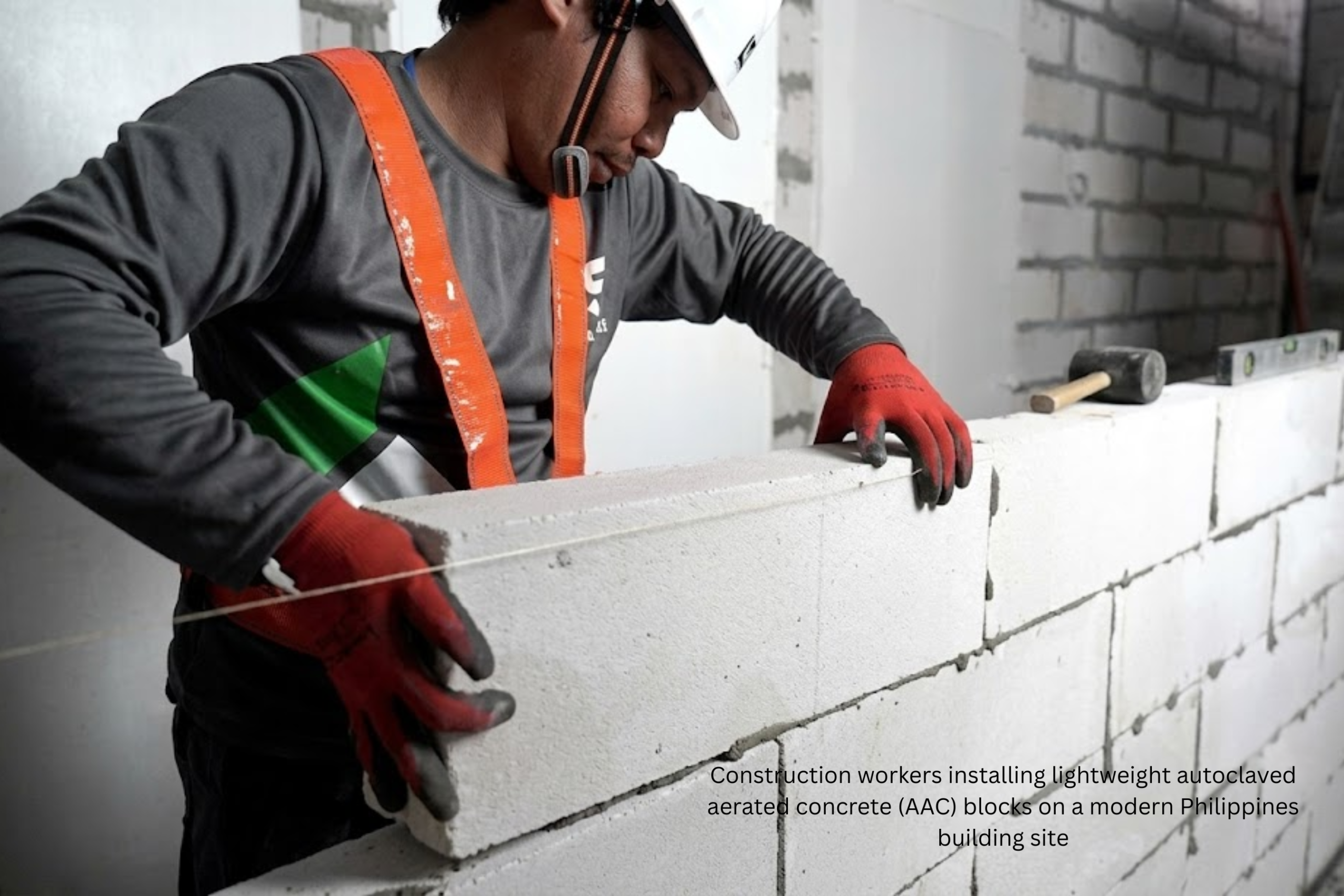
As construction continues to evolve, homeowners are looking beyond traditional considerations like cost and availability. Today’s discussions increasingly include comfort, energy efficiency, sustainability, construction efficiency, and long-term value.
This has led many architects, engineers, and developers to explore modern wall systems such as Autoclaved Aerated Concrete (AAC). AAC has gained popularity because of characteristics such as its lightweight composition, dimensional accuracy, and thermal performance. Like any building material, it should be evaluated based on the specific needs of your project and installed according to the manufacturer’s recommendations.
In future articles, we’ll take a closer look at how AAC vs CHB Philippines comparisons play out, how AAC is installed, and where it’s commonly used.
Frequently Asked Questions
Is there one “best” wall material for every home?
No. The best wall material depends on your home’s design, location, budget, and priorities. A material that’s ideal for one project may not be the best choice for another. Your architect or structural engineer can help recommend the most appropriate wall system based on your specific needs.
Why is choosing the right wall material important?
Your wall material affects much more than the appearance of your home. It can influence indoor comfort, construction efficiency, maintenance requirements, fire performance, sound insulation, and overall long-term durability.
What wall materials are commonly used in the Philippines?
Some of the most common wall materials include Concrete Hollow Blocks (CHB), Autoclaved Aerated Concrete (AAC), Clay Bricks, and Precast Concrete Systems.
Are lightweight wall materials weaker?
Not necessarily. Weight alone does not determine the strength or performance of a wall system. The overall performance of a building depends on proper engineering, quality materials, correct installation, and compliance with building codes.
Does wall material affect indoor temperature?
Yes. Different wall materials transfer heat differently. Along with roofing, windows, insulation, ventilation, and home orientation, your wall system contributes to your home’s overall thermal comfort.
Key Takeaways
If you remember only a few things from this guide, let them be these:
✔ Your wall material influences your home’s comfort, durability, and long-term performance.
✔ There is no single “best” wall material—only the best choice for your project’s needs.
✔ Consider factors beyond price, including maintenance, thermal comfort, fire performance, acoustic performance, and construction efficiency.
✔ Work closely with qualified architects and engineers when selecting building materials.
✔ Investing time in understanding your options today can lead to better decisions for years to come.
Continue Your Learning Journey
This guide is just the beginning. If you’d like to learn more about wall systems and modern construction, here are the next articles in The STÄRKEN Edge:
📖 AAC Blocks vs CHB: Which Wall System Is Right for Your Home?
📖 What Are AAC Blocks? A Beginner’s Guide
📖 Why Some Homes Stay Cooler Than Others
📖 How Wall Materials Affect Earthquake Performance
📖 Understanding Fire-Resistant Wall Systems
📖 The Complete Guide to the STARKEN AAC System
Building Better Homes Starts with Better Decisions
Building a home is one of life’s biggest investments. While finishes and furnishings can always be updated, the decisions you make during construction often stay with your home for decades. That’s why taking the time to understand your options matters.
The best wall material isn’t simply the one that’s most familiar or the least expensive. It’s the one that best supports the kind of home you want to build—one that’s comfortable, durable, and designed to meet your family’s needs today and into the future.
At The STÄRKEN Edge, our goal is to help homeowners make those decisions with confidence by providing practical, easy-to-understand construction knowledge you can trust.
🚀 Ready to Explore Modern Wall Solutions with STÄRKEN?
If you’re interested in learning more about modern wall systems, the STARKEN team is here to help. From product information and technical guidance to project support, we’re committed to helping homeowners and construction professionals make informed decisions.
Take the next step today:
- 📥 Download our free AAC Product Brochure for detailed
- 📞 Request a Quote tailored to your specific project
- 💬 Chat with our team to get your questions answered by